

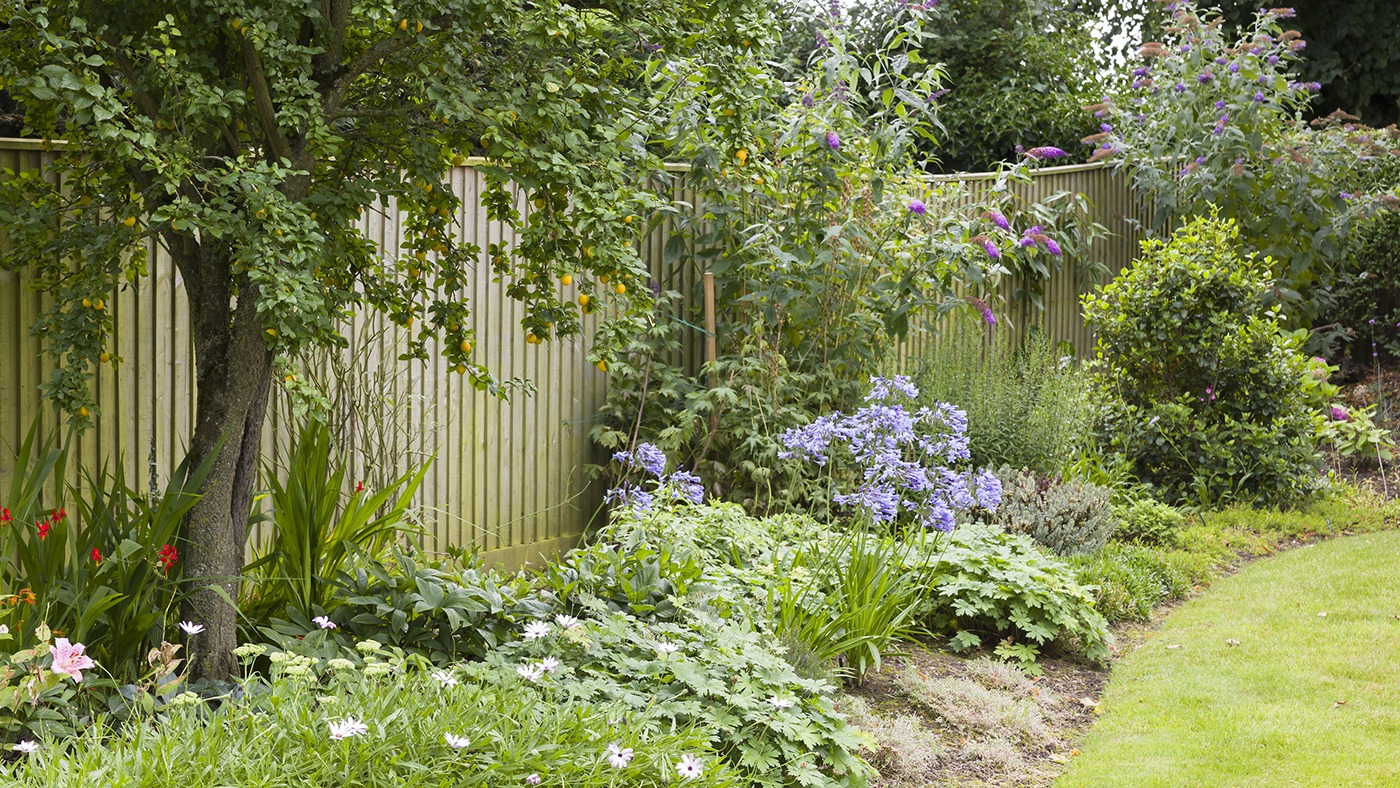
There are few things more capable of turning perfectly civilised neighbours into sworn enemies than a tree. One neighbour sees a magnificent, leafy specimen providing shade, privacy and character. The other sees blocked gutters, leaves in the swimming pool, roots lifting paving and a future quotation from a structural engineer.
A recent question posed by a client was a simple one: where do I stand when my neighbour’s tree starts invading my property, and what can I actually do about it?
As urban properties become smaller, walls get closer together and trees grow considerably larger than anyone apparently anticipated when they were planted, disputes of this nature are becoming increasingly common.
The law does provide remedies. It does not, however, give a property owner an automatic license to wage war on every offending branch, root and leaf. Our law of nuisance recognizes a property owner’s right to the ordinary and reasonable enjoyment of his property. The difficulty is that your neighbour has precisely the same right. The result is that the law does not attempt to eliminate every inconvenience that one property owner causes another. Instead, it seeks to strike a balance between competing rights. In the context of trees, the important question is generally whether the interference is objectively unreasonable and amounts to an actionable nuisance.
The courts have described the test as requiring more than mere fancifulness, personal sensitivity or fastidiousness. The interference must materially affect the ordinary comfort and enjoyment of the property, judged according to ordinary and reasonable standards. In other words, the law does not necessarily come to your rescue because you have discovered three leaves from your neighbour’s tree in your swimming pool.
The fact that trees are valuable to the environment does not mean that they enjoy diplomatic immunity. If branches extend over the boundary and cause a nuisance, the affected neighbour may request the tree owner to have them pruned. If the owner fails or refuses to do so after reasonable notice, the affected neighbour may, in appropriate circumstances, be entitled to cut the offending branches back to the boundary. There is an important qualification, however: self-help should be exercised cautiously.
There is a significant difference between trimming branches which have encroached over the boundary and taking a chainsaw to the tree because you have developed a philosophical objection to it. The safer course is to notify the tree owner of the problem, give him a reasonable opportunity to remedy it and, particularly where substantial pruning or potential damage to the tree is involved, obtain legal advice before taking action yourself.
Alternatively, the affected owner can approach a court for an interdict compelling the tree owner to remove or prune the offending branches. Depending on the circumstances, a prohibitory interdict may also be sought to prevent the nuisance from continuing.
Roots are more complicated. Unlike an overhanging branch, a root does not announce its arrival by waving at you over the boundary wall. It can quietly travel underground for years before suddenly making its presence felt by lifting paving, damaging a wall or interfering with a drainage system. The mere fact that roots from a neighbouring tree extend beneath your property does not necessarily mean that you have an actionable claim.
If roots are causing identifiable damage to paving, walls, foundations, drainage systems or other structures, the affected owner may potentially have a claim for relief. Depending on the circumstances, that relief could include an order requiring remedial action, an interdict, or a claim for damages. But before demanding that the neighbour remove his prize-winning jacaranda, it is important to establish that the tree is actually responsible for the damage. That may sound obvious, but it is often the most difficult part of the case. Cracked paving could be caused by roots. It could also be caused by poor installation, ground movement, subsidence, drainage problems or simply the fact that paving has been around since the previous decade. This is where evidence becomes important.
If a damages claim is contemplated, the property owner should consider obtaining an appropriately qualified assessment establishing:
- the nature and extent of the damage; the likely cause of the damage;
- whether roots from the neighbouring tree are in fact responsible; and
- the likely cost of remedial work required.
Our courts will not readily order the destruction or removal of a tree where the nuisance can reasonably be addressed by a less drastic remedy. There is a very simple practical lesson in this…if your neighbour’s tree is causing a problem, do not start with the chainsaw. Start with a conversation. Tell your neighbour what is happening. Take photographs. Explain the damage. If necessary, obtain an expert assessment. Ask the neighbour to prune the offending branches or investigate the roots. Give him a reasonable opportunity to do so. If he refuses to cooperate, then consider your legal options. This approach is not merely neighbourly, but it can also be legally important. A court will generally want to know what attempts were made to resolve the dispute before litigation became necessary.
And, from a purely financial perspective, spending R100,000 litigating over a tree which could have been pruned for R2,000 is unlikely to qualify as one of life’s great victories.
WE WOULD LOVE TO CONNECT WITH YOU – BE SURE TO FOLLOW US ON:
Instagram: fha.law
Facebook: Frank Holland & Associates FHA
For further information check out our website at www.fha.law.za
Our website newsfeed offers monthly updates with relevant property law articles and so much more.
Call us on 021 790 6006 / WhatsApp Line 064 539 4108
Yours in Conveyancing


